

Bi-fold door handles are more than just a finishing touch; they are essential for the smooth operation and longevity of your folding door system. The right hardware ensures that panels glide effortlessly along their tracks and stack neatly without obstruction. Choosing the correct handle involves balancing ergonomic pull forces with the specific clearance requirements of internal and external bifold doors.
Whether you are a joiner finishing a domestic renovation or a developer managing a small site, understanding how handle mechanics affect door performance is key to avoiding snagging issues later. For the independent trade pro, the priority is a "fit and forget" solution. Hardware that installs quickly, fits the first time, and satisfies the client’s need for both style and reliability.
This guide covers the distinct types of handles available for bi-folding doors, including lever, flat, and D-handle options. We will explore how different materials and finishes impact durability and provide technical specifications for placement and installation to ensure your project stays on schedule.
The environment where a bifold door operates dictates the type of handle required. External bifold doors, often used for patios or terraces, face constant exposure to weather and require integrated security. These systems typically use robust handles made from corrosion-resistant materials like stainless steel or aluminium, often designed to work with multipoint locking mechanisms.
Internal bifold doors, used as room dividers or wardrobe closures, prioritise ease of movement and aesthetics. Since these doors do not require high-level weather sealing or complex security, handles can be more minimalist. However, for internal doors, the primary concern is often the "stacking" width; a handle that protrudes too far can prevent the panels from folding flat against each other.
Selecting the right handle type depends on the weight of the door and how it needs to function within the folding system.
The mechanism you choose directly affects how much clearance you have when the doors are fully retracted. Bulky handles can rub against adjacent panels, causing scratches or preventing the doors from opening fully.
Lever handles operate via a rotating spindle and are the standard choice for "master" doors that act as a primary entrance. These handles allow for easy operation of a latch or a mortice lock. In a trade environment, lever handles are frequently supplied as part of a matching hardware kit to ensure the finish remains cohesive across all door components.
While practical for access, standard lever handles are less ideal for some internal folding door installations. Their protrusion can interfere with the stacking of the panels. If you are fitting a door in a high-traffic area where space is at a premium, a standard lever might prevent the door from folding back as far as the client expects.
Learn more about the different types of bifold door in our related article.
Flat handles serve as a hybrid solution, offering the functionality of a lever with a significantly lower profile. These are specifically designed to reduce obstruction when the door is in the stacked position. By sitting closer to the door face, they minimise the risk of the handle rubbing against the neighbouring panel.
These handles are a popular choice for contemporary internal bi-fold door installations. They maintain a sleek, modern appearance while providing enough leverage to operate the locking or latching system effectively. For installers, flat handles are often the go-to for ensuring the job finishes smoothly without complaints about panel clearance.
Pull handles are fixed components with no moving parts, making them highly durable for high-usage areas. Because they do not rely on a spindle or internal spring, they require less maintenance over time. For internal doors, simple pull handles offer a straightforward way to guide the panels across the track.
D-handles provide a vertical grip that is particularly useful for heavier external bifold doors or commercial applications. The shape allows the user to apply more force when pulling the door from its seated position. In trade settings, D-handles are valued for their robustness and ability to withstand the rigours of daily use without loosening.
Door knobs are a classic choice for internal bi-fold applications where a twisting motion is not required to open the door. They are often used on wardrobe doors or small partitions where visual minimalism is the goal. Knobs are easy to install and replace, making them a cost-effective option for quick refurb jobs.
For maximum space-saving, specialty options like recessed or flush pulls are used. These sit entirely within the door panel, allowing the doors to stack perfectly flat against one another. This is an ideal solution for modern, minimalist interiors where clean lines are a priority.
Correct placement of the handle is critical for the mechanical health of the door system. If a handle is placed incorrectly, it can increase wear on the guide pins and tracking, eventually shortening the lifespan of the entire unit.
Using a template for drilling pilot holes ensures that the spindle and fixing centres align perfectly, preventing the handle from feeling "sticky" or loose after installation.
The material of the handle should match the demands of the environment. For external doors, stainless steel and aluminium are the preferred choices as they resist corrosion and withstand the British weather. For internal projects, you have more flexibility with finishes like black powder-coat, bronze, or polished chrome.
Black finishes are particularly popular in trade-led projects because they hide fingerprints and look high-end without a massive price tag. For external systems, ensure the handle integrates with secure multipoint locking to meet insurance requirements and keep the property secure. Trade-grade handles are recommended for their higher cycle life, ensuring they don't fail under heavy use.
Retrofitting a handle on a bifold door requires precision. The process usually involves drilling pilot holes through the panel and carefully aligning the spindle. If you are replacing an existing handle, you must match the hole spacing and spindle diameter to avoid having to modify the door, which can weaken the timber or damage the finish.
When working with external hardware, always verify that the new handle is compatible with the existing shootbolt or multipoint lock. A mismatch here can lead to a door that won't lock properly, creating a security risk and a return visit to the site.
A bifold system is only as good as its maintenance. Common spare parts that every installer should be aware of include spindles, fixing screws, and strike plates. If a handle feels loose, it is often a sign that the fixings need tightening or that there is an issue elsewhere in the system, such as a misaligned track.
Regularly lubricating the pivots and inspecting the guide pins and rollers will keep the door and the handle working smoothly. For trade pros, keeping a few common replacement parts on hand can save time and prevent minor issues from becoming costly repairs.
The handle is the primary point of contact for the user, so its form and finish define the feel of the door. A slim-profile handle can improve the visuals of a stacked door, making the system look more integrated and less cluttered. Conversely, a bold D-handle can act as a focal point in a modern room.
To achieve a professional, high-end look, match the hinges and locks to the handle finish. This coordination creates a seamless appearance that adds value to the installation and leaves the client satisfied with the overall finish of the job.
Read more about using internal bifold doors around the home if you haven't decided on the right location for your bifolding door yet!
Before placing an order, ensure you have the correct measurements to avoid delays on site.
Reviewing the manufacturer’s warranty, such as a ten-year guarantee, provides peace of mind that the hardware is built to last.
No. Sizes, spindle diameters, and fixing centres vary significantly between different manufacturers and door systems. Always check the technical specs before buying.
Yes, but you must consider the stacking clearance. A large D-handle may prevent the panels from sitting flush against each other when the door is open.
Corrosion-resistant metals like stainless steel or aluminium with integrated multipoint locking are the best choice for security and longevity.
You should inspect the hardware annually. Lubricate moving parts and tighten any fixings that have vibrated loose to ensure continued smooth operation.
Express Doors Direct provides a range of trade-focused hardware and spares. For complex replacements, always consult a qualified joiner or builder to ensure the door system remains balanced and secure.
Proud stockists of....
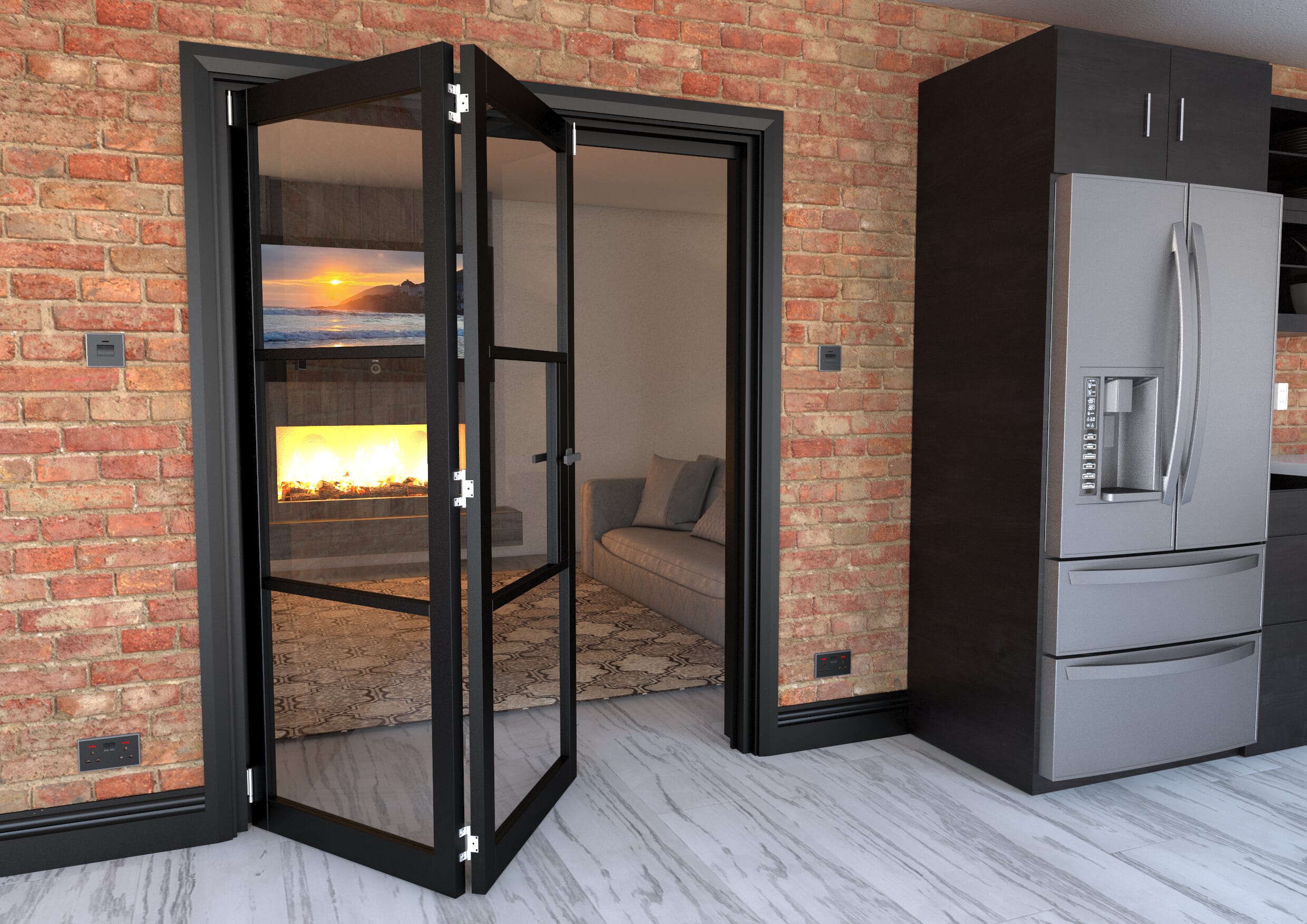
Bring industrial-inspired design into your home with our collection of heritage steel-look doors. Available in bifold, French and internal door options, these on-trend designs offer the distinctive appearance of traditional steel doors with the practicality of modern materials. Browse our range today and transform your living space with striking heritage style doors.
Trusted stockist of Climadoor; the Folding Doors brand.
© Express Doors Direct 2026. All rights reserved.
Company number 11557039.
Rated 4.3 out of 5 by our customers from 1932 reviews.




 Call us On