

Internal bi fold doors are a versatile solution for modern homes, offering a unique way to manage space without the wide swing of a traditional door. Whether you are looking to create an open-plan feel or hide away a utility area, these doors provide a stylish and functional answer.
This guide answers the most common questions about internal bifold doors, covering everything from basic terminology and operation to technical sizing and maintenance tips. By the end of this article, you will have the knowledge needed to choose, fit, and care for your bifold system with confidence.
Internal bifold doors consist of two or more panels that fold back against themselves in a concertina motion. Unlike standard interior doors that swing on a single set of hinges, these panels slide along a track, allowing them to open fully while taking up minimal floor space. External bifold doors are just the same, but built for outdoor use.
Folding doors are often referred to as bifold doors, bi-folding doors, internal folding doors or concertina doors. In trade settings, you might also hear them called folding-sliding doors or room dividers when used to split larger living spaces.
The term "bi fold" literally means to fold into two parts. In the context of doors, it describes the folding mechanism, as the panels are hinged together to fold back in pairs as they slide along the tracking system.
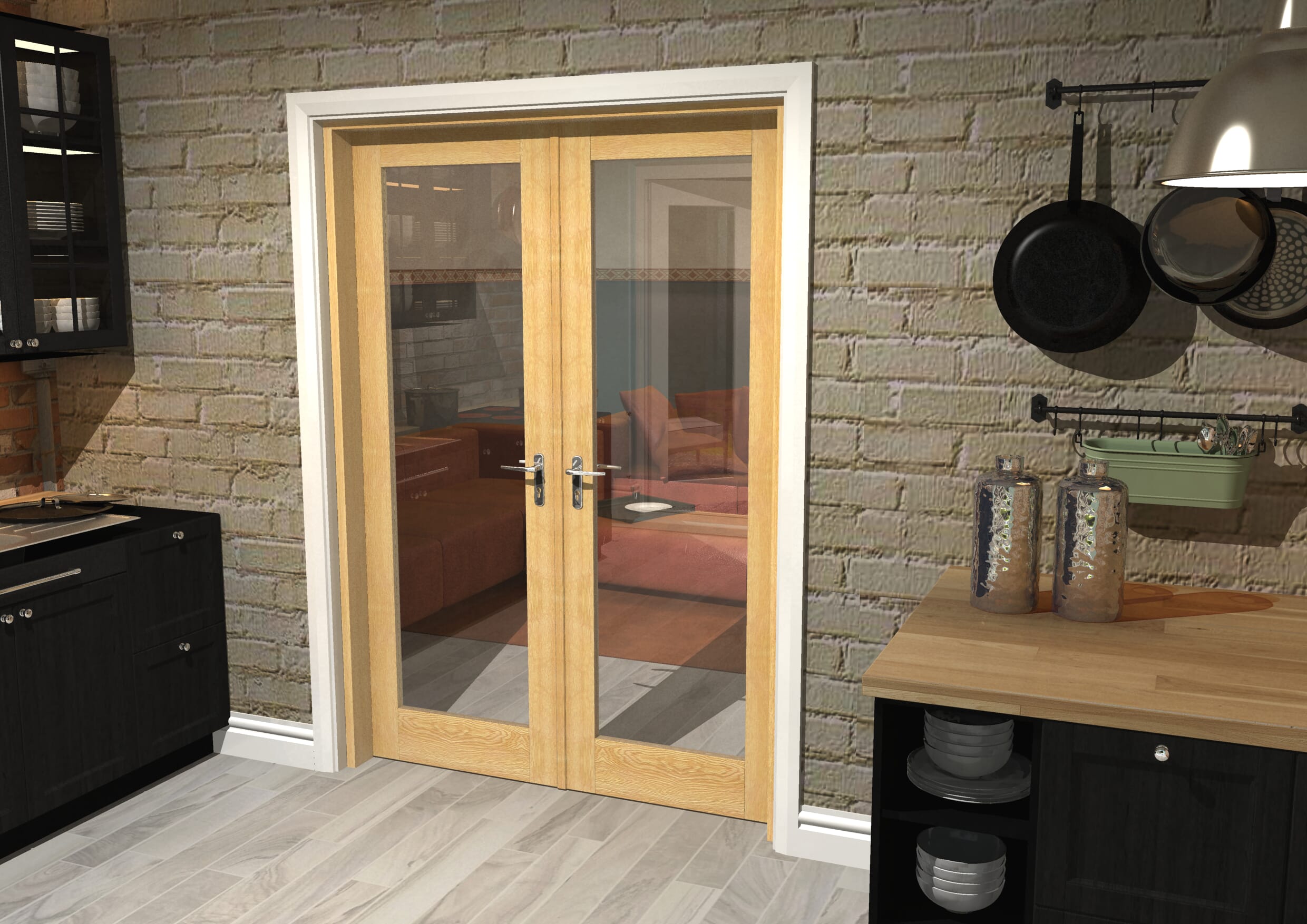
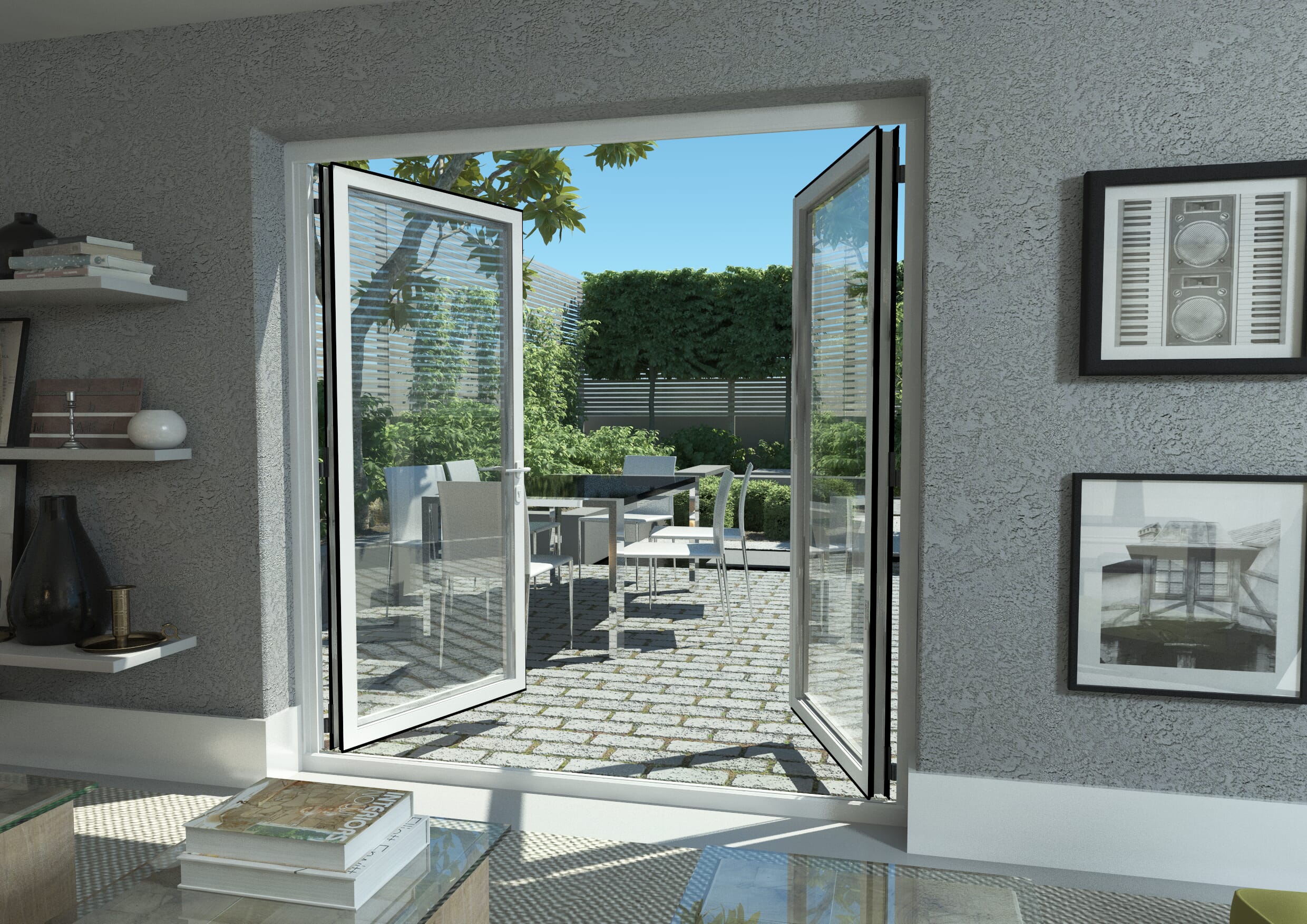
Doors that are split in the middle and open outwards from the centre are typically called French doors or double doors. However, larger bifold systems can also be configured to meet in the middle, creating a wide central opening while the panels stack on both sides.
A concertina door is another name for a folding door, named after the musical instrument because of the pleated way the panels fold. While the term is sometimes used for lightweight PVC "accordion" doors, it also accurately describes the movement of high-quality timber bifold systems.
For a full breakdown of different types, visit our guide to the different types of folding doors. You might also like to explore the differences between bifold, French and sliding doors.
Internal bifold doors operate using a combination of hinges and a tracking system. The panels are hinged together, and at least one panel is attached to a guide, pivot bracket or roller that sits inside a top or bottom track, allowing the door to slide and fold simultaneously.
To open your bifold doors, you usually pull the lead door or handle away from the frame to start the folding motion. Once the first pair of panels begins to fold, you can slide the entire set along the track until they are neatly stacked at the side.
Handles on bifold doors are designed to provide the necessary leverage to initiate the fold. On many internal sets, a "hinge handle" is used, which is located on the hinge between panels to help you pull the door toward you as it begins to stack. For more details, check out our guide to choosing and installing bifold door handles.
Systems with top-hung hardware generally provide the smoothest operation because the weight of the door is suspended from above, reducing friction. Our Roomfold Grande range uses superior "external grade" hardware to ensure an incredibly fluid motion without the need for a base track.
Yes, bifold doors use hinges to connect the individual panels to each other and to the door frame. These hinges allow the doors to "concertina" while the tracking system guides their path along the opening.
Most internal bifold doors require at least a top track to guide the panels. While some systems also use a bottom track for added stability, top-hung systems like our Roomfold Standard and Grande ranges can operate without a floor track, keeping your flooring seamless. Read our detailed guide to internal bifold door parts to find out more.
The best bifold doors depend on your specific needs, but high-quality timber sets like prefinished oak or white primed options offer the best balance of durability and aesthetics. For trade professionals, "fit and forget" systems with adjustable hardware are often the preferred choice for long-term reliability. Take a closer look in our guide to choosing the best internal bifold doors.
Our Roomfold systems offer significant flexibility, with options for 2, 3, 4, 5, or 6 door configurations. You can also choose which side the doors stack on and whether they open to the left, right, or split to both sides.
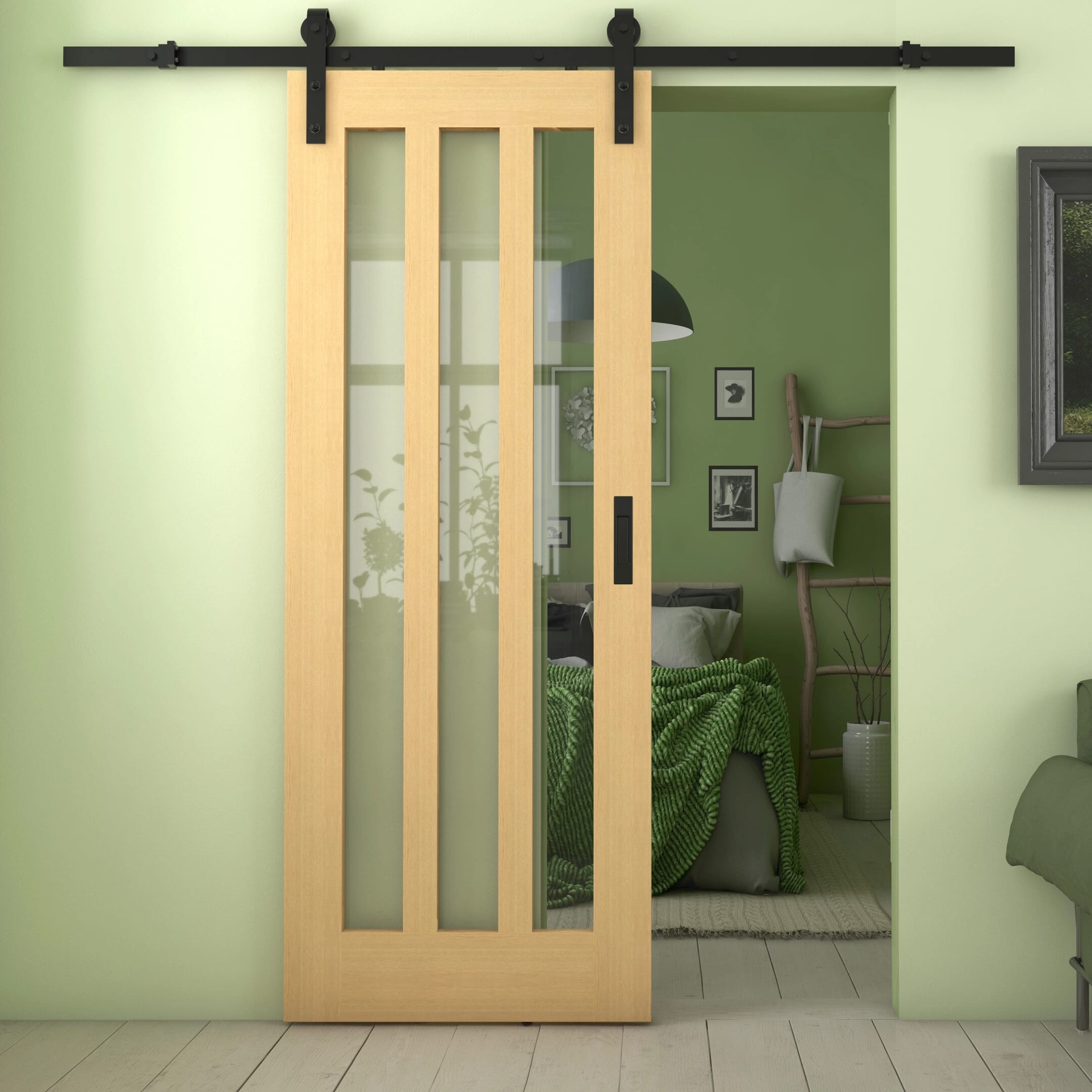
If you want a full-width opening without the "stack" of folded panels, sliding doors, barn doors or pocket doors are alternatives. However, bifold doors remain the most popular choice for standard internal openings because they provide a wider clear walk-through than traditional sliding doors.
Yes, you can replace standard internal doors with bifold doors, provided the structural opening is large enough. While a single bifold door can often fit a standard 762mm (30") opening, they are most effective when replacing double doors or used to create a wider walk-through between rooms. You will need to install a new frame and tracking system, as bifold hardware is not compatible with traditional door stops and hinges.
To measure correctly, you must take three width measurements (top, middle, and bottom) and three height measurements (left, centre, and right). Always use the smallest of these measurements to ensure the door set will fit into the opening without sticking.
You should choose a door set that matches the structural opening of your space as closely as possible. Most standard internal openings in the UK are around 2078mm to 2095mm in height, with widths varying based on the number of panels required. Explore our complete guide to internal bifold door sizes for more information.
It is standard practice to subtract approximately 10mm from your total width and height measurements to allow for a "fitting tolerance". This gap ensures the frame can be squared up during installation and accounts for any minor expansion of the timber.
Standard internal bifold sets are designed to fit common UK opening widths such as 1215mm, 1500mm, 1800mm, and up to 4600mm for larger room dividers. Our Roomfold range covers most of these standard increments to ensure a precise fit.
Contact us immediately before attempting any adjustments that may void your warranty. Our customer care team can advise you on the best course of action, as some door sets have specific trim allowances that might allow for minor corrections.
We always recommend using a professional joiner or carpenter to fit your bifold doors to ensure smooth operation and a perfect finish. If you are an experienced DIYer or a trade pro, you can follow our detailed fitting guides on installing internal bifold doors which cover track mounting, hinge alignment, and hardware adjustment.
When installing over carpet, you may need to use a wooden block or "packer" underneath the floor pivots or tracks to raise them slightly. This prevents the bottom of the doors from rubbing against the carpet fibres and ensures the mechanism doesn't jam.
Internal bifold doors are often top-hung, meaning the weight of the doors is supported by the head of the frame. You must ensure your opening has a structural lintel capable of supporting this weight, especially for wider sets with multiple solid timber panels.
The price of internal bifold doors varies significantly depending on the material, finish, and size. Basic white primed sets are generally more affordable, while high-end prefinished oak systems with premium hardware sit at a higher price point.
Our white primed Roomfold Standard sets typically offer the best value for those on a budget. These provide the space-saving benefits of a bifold system without the higher cost of prefinished hardwood.
While bifold doors represent a higher initial investment than a single standard door, they add value by improving room flow and light. For trade customers, buying a complete kit including the frame and hardware is often more cost-effective than sourcing parts separately.
Installation costs depend on the complexity of the job and your location, but you should expect to pay for a day's labour for a professional joiner. Costs may increase if the structural opening needs to be adjusted or if a new lintel is required.
Doors often drop if the top pivot or tracking hardware has loosened over time or if the building has settled. Most high-quality bifold systems include adjustable pivots that allow you to raise the door back into position using a simple wrench or screwdriver.
The handle or knob should be placed on the leading edge of the door—the side that slides along the track rather than the side fixed to the jamb. For sets with multiple panels, a central hinge handle is also used to help pull the doors into the folding position.
You can adjust the height by turning the screw on the bottom or top pivot assembly. Turning the screw clockwise typically raises the door, while anticlockwise lowers it, allowing you to clear floor coverings or align the panels with the head of the frame.
If your door won't close, check the tracks for debris like dust or small stones which can obstruct the rollers. Misalignment of the floor bracket or a loose hinge can also cause the doors to sit at an angle, preventing them from meeting the frame correctly.
Bifold doors that "bounce" back open often need their snugger or top track pivot adjusted. Ensuring the track is perfectly level is also vital, as even a slight slope can cause the rollers to drift away from the closed position.
If a panel jumps the track, you will need to depress the spring-loaded top pivot to guide the roller back into the channel. Once back in place, check that the track is clean and that the door height is adjusted correctly to prevent it from happening again.
To keep your doors in top condition, vacuum the tracks monthly to remove dust and debris. Clean glass panels with a standard window cleaner and a microfibre cloth, and wipe down timber frames with a soft, damp cloth, avoiding harsh chemicals that could damage the finish.
Proud stockists of....
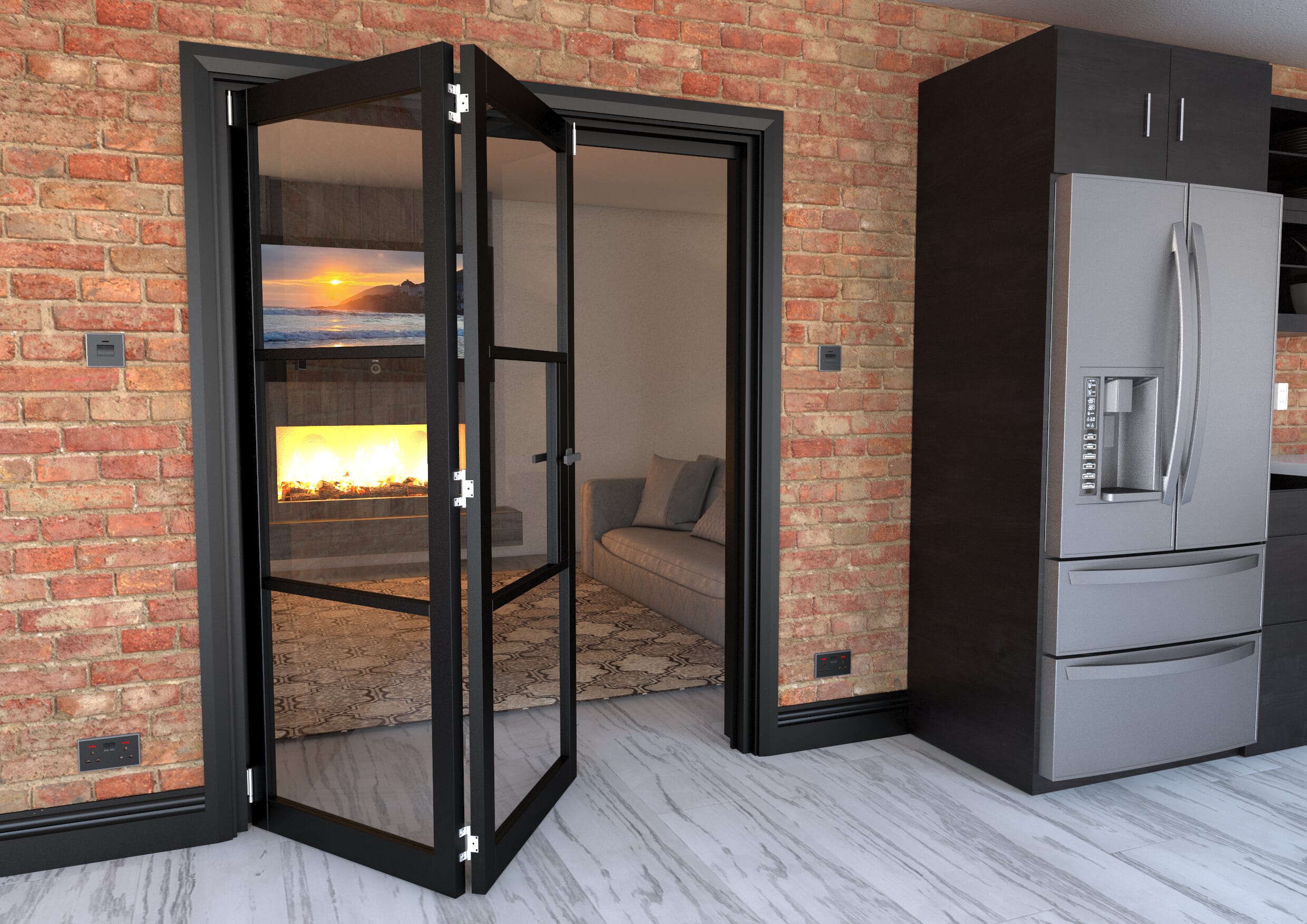
Bring industrial-inspired design into your home with our collection of heritage steel-look doors. Available in bifold, French and internal door options, these on-trend designs offer the distinctive appearance of traditional steel doors with the practicality of modern materials. Browse our range today and transform your living space with striking heritage style doors.
Trusted stockist of Climadoor; the Folding Doors brand.
© Express Doors Direct 2026. All rights reserved.
Company number 11557039.
Rated 4.3 out of 5 by our customers from 1932 reviews.




 Call us On